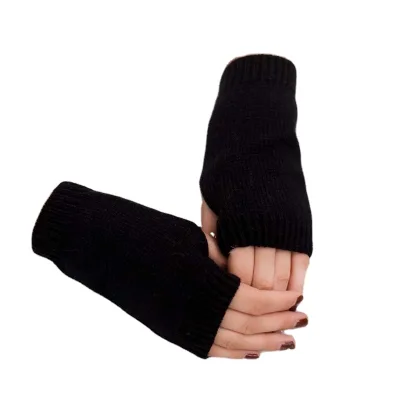
Source Winter Warm Half Finger Gloves for Daily Use
Explore 30 options for winter warm half finger gloves suitable for adults and kids. Compare materials like acrylic and polyester, styles including jacquard and plain, and features such as anti-slip and windproof designs to find the right fit for your needs.
Key considerations
Products List




Comprehensive Sourcing Guide
Winter Warm Half Finger Gloves Sourcing Guide
Sourcing winter warm half finger gloves requires a strategic balance between thermal retention and dexterity, a niche that appeals to consumers seeking functionality without sacrificing hand mobility. These gloves are particularly suited for activities where users need to manipulate small objects, such as using smartphones, typing on keyboards, or handling tools, while still protecting the back of the hand from cold winds. The market for these items is diverse, ranging from casual daily wear to specialized industrial applications, making it essential for buyers to understand the specific use cases that drive demand in their target regions.
The procurement landscape for this category is characterized by a wide variety of material compositions and design styles, which directly impact both the end-user experience and the manufacturing complexity. Buyers must navigate options that include acrylic blends, polyester constructions, and various embellishments like buttons or fringes, each offering different aesthetic and functional properties. Understanding these variations is crucial for aligning product selection with brand identity and customer expectations, ensuring that the final product meets the specific thermal and tactile requirements of the intended market segment.
Product Scope and Observed Listing Signals
The current market landscape for winter warm half finger gloves reveals a broad spectrum of product attributes that buyers must carefully evaluate to ensure alignment with their procurement goals. Observed listings indicate a significant presence of acrylic and polyester materials, with styles ranging from plain and jacquard patterns to those featuring buttons or fringes. These material and design choices are not merely aesthetic; they dictate the glove’s breathability, durability, and overall comfort, which are critical factors for consumer satisfaction in cold-weather conditions.
Furthermore, the observed data highlights a diverse range of packaging and customization options, including OPP bags, box packing, and paper cartons, which can influence logistics costs and retail presentation. Customization is widely available, allowing buyers to incorporate specific logos through embroidery or printing, thereby enhancing brand visibility. However, the variability in product models, sizes, and standard measurements suggests that buyers must verify specific technical details for each supplier to avoid discrepancies in inventory management and product consistency across different batches.
Technical Specifications to Verify
When evaluating technical specifications, buyers must prioritize the verification of material composition, as this is the primary determinant of thermal performance and longevity. Listings often cite materials such as 100% acrylic or 100% polyester, but it is essential to confirm the exact blend and weight, as these factors directly influence the glove’s ability to retain heat and resist pilling or wear over time. Additionally, the finger length specification, specifically the half-finger or fingerless design, must be clearly defined to ensure that the product meets the functional requirements for dexterity while providing adequate coverage for the palm and back of the hand.
Size and fit are equally critical technical aspects that require precise verification, as inconsistent sizing can lead to high return rates and customer dissatisfaction. Buyers should request detailed size charts that include measurements for palm circumference and length, noting that some suppliers offer adult and kids sizes while others may have specific standard measurements. It is also important to confirm the presence of anti-slip features or other special characteristics, such as windproof or breathable properties, which can significantly enhance the product’s utility and appeal in competitive winter markets.
Compliance and Safety Documentation
Compliance and safety documentation are foundational elements that protect both the buyer and the end consumer from potential liabilities associated with textile products. Buyers must ensure that suppliers provide relevant test reports and certifications that verify the safety of dyes, chemicals, and materials used in the manufacturing process, particularly for products intended for children or sensitive skin. While specific standards may vary by region, it is crucial to verify that the gloves meet local regulatory requirements for flammability, chemical content, and general product safety, which are often mandated for winter apparel items.
In addition to safety standards, buyers should inquire about quality assurance protocols that suppliers have in place to maintain consistency across production batches. This includes verifying that the suppliers adhere to recognized industry practices for textile manufacturing, which can help mitigate risks related to defects, color fastness issues, or material degradation. By prioritizing suppliers with robust compliance frameworks, buyers can ensure that their products are not only safe and effective but also compliant with international trade regulations, facilitating smoother customs clearance and market entry.
Cost Drivers and Commercial Terms
Cost drivers for winter warm half finger gloves are influenced by a complex interplay of material costs, labor expenses, and customization requirements. The choice of material, such as acrylic versus polyester, along with the complexity of the design, including jacquard patterns or embroidered logos, can significantly impact the unit price. Buyers must also consider the impact of packaging choices, as options like box packing or paper cartons may incur additional costs compared to simpler OPP bag packaging, which can affect the overall landed cost and retail pricing strategy.
Commercial terms, including minimum order quantities (MOQ), lead times, and payment conditions, are critical factors that influence the financial viability of the procurement process. Suppliers may offer varying MOQs, ranging from small trial orders to large bulk purchases, which can affect inventory management and cash flow. Additionally, lead times for production and sample approval must be carefully negotiated to ensure that products arrive in time for the winter season, avoiding stockouts or missed sales opportunities. Buyers should also clarify shipping methods, such as sea or air freight, and their associated costs and timelines, to optimize logistics efficiency.
Supplier Qualification and Quality Control
Supplier qualification is a critical step in ensuring the reliability and consistency of winter warm half finger glove procurement. Buyers should conduct thorough due diligence to verify the supplier’s manufacturing capabilities, production capacity, and track record in the textile industry. This includes assessing their ability to handle customization requests, such as logo embroidery or printing, and their proficiency in managing complex design elements like jacquard patterns or fringe details. A supplier’s ability to maintain consistent quality across large production runs is a key indicator of their operational maturity and reliability.
Quality control measures must be rigorously implemented throughout the production process to minimize defects and ensure product consistency. Buyers should establish clear quality standards and inspection protocols, including pre-production sample approvals and in-line quality checks during manufacturing. It is also advisable to conduct final random inspections before shipment to verify that the products meet all specified requirements, including material composition, size, color, and packaging. By implementing robust quality control practices, buyers can reduce the risk of receiving substandard products and maintain high customer satisfaction levels.
Long-Term Procurement Checks
Long-term procurement checks involve continuous monitoring and evaluation of supplier performance to ensure sustained quality and reliability. Buyers should establish key performance indicators (KPIs) to track metrics such as on-time delivery, defect rates, and responsiveness to issues, which provide valuable insights into the supplier’s operational efficiency and commitment to quality. Regular audits and feedback sessions can help identify areas for improvement and foster a collaborative relationship that drives continuous enhancement in product quality and service delivery.
Additionally, buyers should stay informed about market trends and consumer preferences to ensure that their product offerings remain relevant and competitive. This includes monitoring changes in material technologies, design styles, and regulatory requirements that may impact the winter glove market. By maintaining a proactive approach to market analysis and supplier management, buyers can adapt to changing conditions and maintain a strong position in the marketplace, ensuring long-term success and profitability in the procurement of winter warm half finger gloves.
FAQs
What materials are used for winter warm half finger gloves?
These gloves are commonly made from acrylic or 100% polyester to ensure warmth. Some models feature plain or jacquard styles with button embellishments. The material choice supports breathability and windproof features suitable for daily life use in winter conditions.
Can I customize the logo on these gloves?
Yes, customization is available for logos using embroidery or printing methods. Buyers can request specific designs to match their brand identity. This service allows for personalization while maintaining the structural integrity of the half-finger style gloves.
What is the typical lead time for production?
The standard lead time for production is approximately 25 days after order confirmation. Sample preparation typically takes 7 days before bulk manufacturing begins. This timeline ensures quality control while meeting delivery schedules for winter seasonal demand.
Which sizes are available for these gloves?
Available sizes include M, XL, and options for both adults and kids. Specific models may have dimensions like 48cm-54cm or 25x10cm depending on the style. Buyers can select sizes that fit their target demographic for optimal comfort and warmth.
How are these gloves packaged for shipment?
Packaging options include OPP bags, box packing, or paper cartons depending on the order. Some items are packed in OPP/CTN combinations for bulk shipping. This ensures the gloves remain protected during transit by sea or air to various global destinations.
What features make these gloves suitable for winter?
These gloves offer anti-slip, windproof, and breathable features ideal for cold weather. The half-finger design allows dexterity while keeping hands warm. Materials like acrylic provide insulation, making them practical for daily life activities during the winter season.
Where are these gloves manufactured?
Manufacturing originates from regions in China, specifically Zhejiang and Jiangsu provinces. These locations are known for textile production capabilities. The products are exported globally, ensuring consistent quality standards for international buyers seeking reliable winter accessories.